
Seal Coating in San Marcos, CA
Seal coating — Sunscreen for Your Pavement
If asphalt has a natural enemy in San Marcos, it’s the sun. With well over 250 sunny days a year, North County’s UV exposure oxidizes unprotected asphalt relentlessly — fading it from rich black to brittle gray, opening hairline cracks, and shaving years off pavement life. Seal coating is the sunscreen: an industrial pavement sealer that shields the surface from UV, water, oil, and traffic wear at a small fraction of what the pavement underneath cost to build. United Paving Co seal coats parking lots, HOA streets, and industrial yards throughout San Marcos.
What Seal Coating Actually Does (and Doesn't Do)
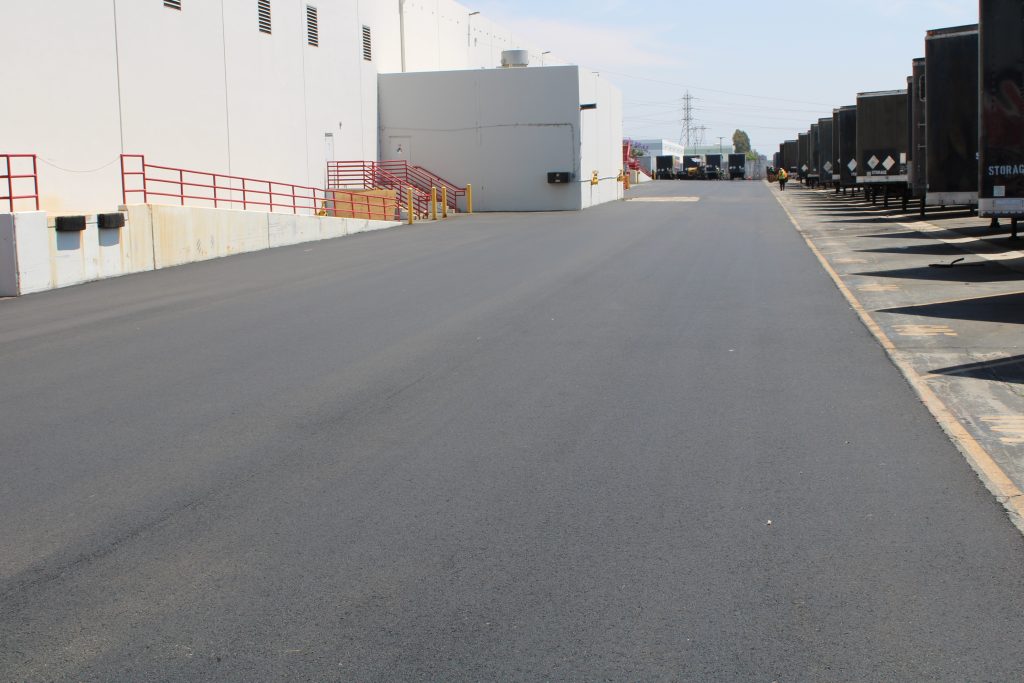
What it does:
Seal coating preserves the flexibility, waterproofing, and adhesion of the asphalt binder so the pavement stays intact under traffic and weather. It blocks UV oxidation, sheds water before it can reach cracks, resists oil and fuel staining, and restores the deep black finish that makes a property look maintained. Pavement preservation authorities like the National Asphalt Pavement Association treat surface treatments as core to extending pavement life — maintenance, not cosmetics.
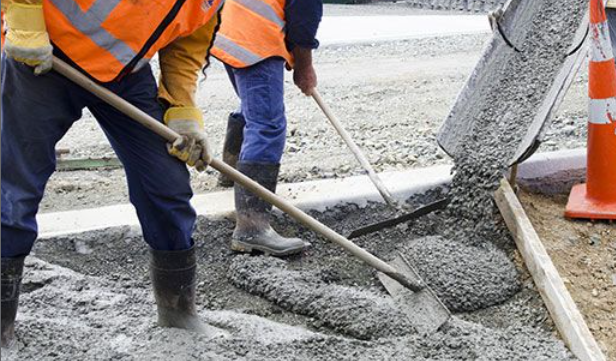
What it doesn't do:
Seal coating is not a structural repair. It won’t fix alligator cracking, base failure, or drainage problems — coating over failed pavement just makes failure look better for a season. That’s why our process starts with condition assessment: cracks get sealed and failed areas get patched first (see Asphalt Repair & Maintenance in San Marcos — internal link), then the seal coat goes down as the protective finish.
Get Your Free Seal Coating Proposal
Our estimators will assess your pavement, tell you honestly whether it needs repair before coating, and scope a program that fits your budget cycle. Call (951) 739-9200 or submit the form below.
Built for San Marcos Conditions
Intense UV Exposure
North County averages well over 250 sunny days a year. Ultraviolet radiation oxidizes the asphalt binder, turning pavement gray, brittle, and crack-prone over time. Quality mix design slows this; a seal coating program protects against it long-term.
Variable Soils
From the granite-derived soils of the Twin Oaks Valley to clay pockets elsewhere in the city, subgrade conditions change street to street. Our base preparation is specified to the soil actually under your project — not a one-size-fits-all number.From the granite-derived soils of the Twin Oaks Valley to clay pockets elsewhere in the city, subgrade conditions change street to street. Our base preparation is specified to the soil actually under your project — not a one-size-fits-all number.
Concentrated Winter Rainfall
Most local rain falls December through March, often in short, intense storms. Water is asphalt’s worst enemy: it infiltrates cracks, saturates the base, and produces the alligatored, sunken pavement visible in aging lots across the county. Grading and drainage design are built into every project we pave.
Our San Marcos Seal Coating Process
Most pavement failures trace back to shortcuts in the first three steps below — the ones buried underground when the job is “done.” Here’s the full process, so you know what to expect and what to ask any contractor bidding your project:
1. Condition Assessment & Prep
We evaluate the surface, flag repairs that must precede coating, and clean the pavement — sweeping, blowing, and treating oil spots with primer so the sealer bonds instead of peeling.
2. Crack Sealing First
Hot-applied crack sealant closes water entry points. Sealer alone doesn't bridge open cracks; skipping this step is the most common corner cut in cheap bids.
3. Two-Coat Application
We apply commercial-grade pavement sealer in two coats for uniform coverage and durability, with additives matched to traffic loads — a truck-trafficked industrial yard off Twin Oaks Valley Road gets a different spec than an HOA cul-de-sac in Lake San Marcos.
4. Cure, Stripe, Reopen
Sealer needs cure time before traffic returns. We phase sections so part of your lot stays open, then re-stripe — every stall line and ADA marking disappears under fresh sealer, so striping is part of the job, not an afterthought Striping & ADA Compliance in San Marcos.
Timing Seal Coating in North County
San Marcos gives seal coating an unusually long season. The sealer cures best in warm, dry weather — and outside the December–March storm window, that describes most of the local calendar. Two timing strategies work well here: spring application locks in protection before the summer’s highest UV months, while fall application closes the surface before winter rains — pairing naturally with annual crack sealing.
What matters more than the month is the cycle: in this climate, a seal coat every 3–5 years, with crack sealing in between, is the difference between pavement that reaches year 25 and pavement that needs replacement at year 12.
Your Pavement Maintenance Timeline
| When | What | Why |
|---|---|---|
| Year 1 | First seal coat (after full cure) | Locks in binder before UV oxidation starts |
| Every 3–5 years | Re-apply seal coat | Ongoing UV and moisture protection in our high-sun climate |
| Annually (fall) | Crack sealing | Closes entry points before winter rains reach the base |
| As needed | Patching, striping refresh | Addresses isolated damage; maintains ADA compliance |
| Year 15–25+ | Overlay or reconstruction | Even well-maintained pavement eventually reaches structural end-of-life |
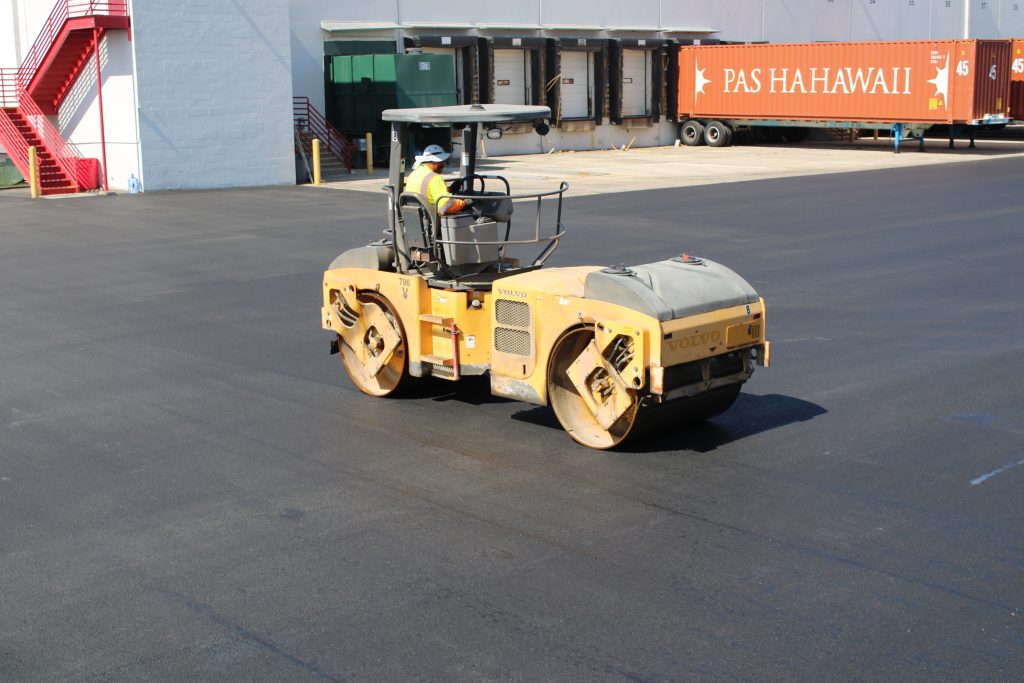
What Does Seal Coating Cost in San Marcos?
Pricing is driven by square footage, the amount of crack sealing and oil-spot priming needed before coating, the number of coats and additive package, striping scope after cure, and phasing requirements for occupied properties. Because it’s a surface treatment, seal coating costs a small fraction of overlay or reconstruction — which is exactly why skipping it is expensive. We provide itemized proposals so boards and owners can see where every dollar goes; on lowest-bid temptation, United Paving’s own education library is blunt: Is choosing the lowest-priced bid a concern?
Why San Marcos Property Owners Choose United Paving Co
Licensed California Contractor
verify our license anytime through the CSLB license check.
Over 25 years in the asphalt and concrete industry
Serving properties from Los Angeles through San Diego County
Active members of the property-management community.
BOMA, IREM, CAI, ICSC, AGC, and more.
Materials and Methods
Free on-site written estimates
Throughout San Marcos — 92069,
92078, 92079
San Marcos Seal Coating - Faqs
How often should I seal coat my parking lot in San Marcos?
Every 3–5 years for most properties. High-traffic retail lots on the San Marcos Boulevard corridor trend toward the 3-year end; low-traffic HOA streets can stretch toward 5. New asphalt should get its first coat after it fully cures — typically around its first year.
How long before cars can drive on fresh sealer?
Typically 24–48 hours depending on temperature, humidity, and coats applied. We phase occupied properties so businesses keep operating while sections cure.
Will seal coating fix the cracks in my pavement?
No — and any contractor who says otherwise is selling paint. Cracks need hot-applied crack sealant before coating; structural failures need patching. Sealer is the protective finish over sound, repaired pavement.
Does seal coating really extend pavement life, or is it cosmetic?
No — and any contractor who says otherwise is selling paint. Cracks need hot-applied crack sealant before coating; structural failures need patching. Sealer is the protective finish over sound, repaired pavement.
Can you seal coat in winter in San Marcos?
Often, yes — we watch the forecast and avoid application ahead of rain or cold snaps, but North County's mild winters keep the season open far longer than most of the country. December–March projects just need more scheduling flexibility.
Do you re-stripe after seal coating?
Always — sealer covers every marking on the lot, so striping and ADA stall restoration are built into our seal coating scope. Layout changes (adding stalls, updating ADA compliance) are cheapest to make at this moment, and we'll flag opportunities during assessment.