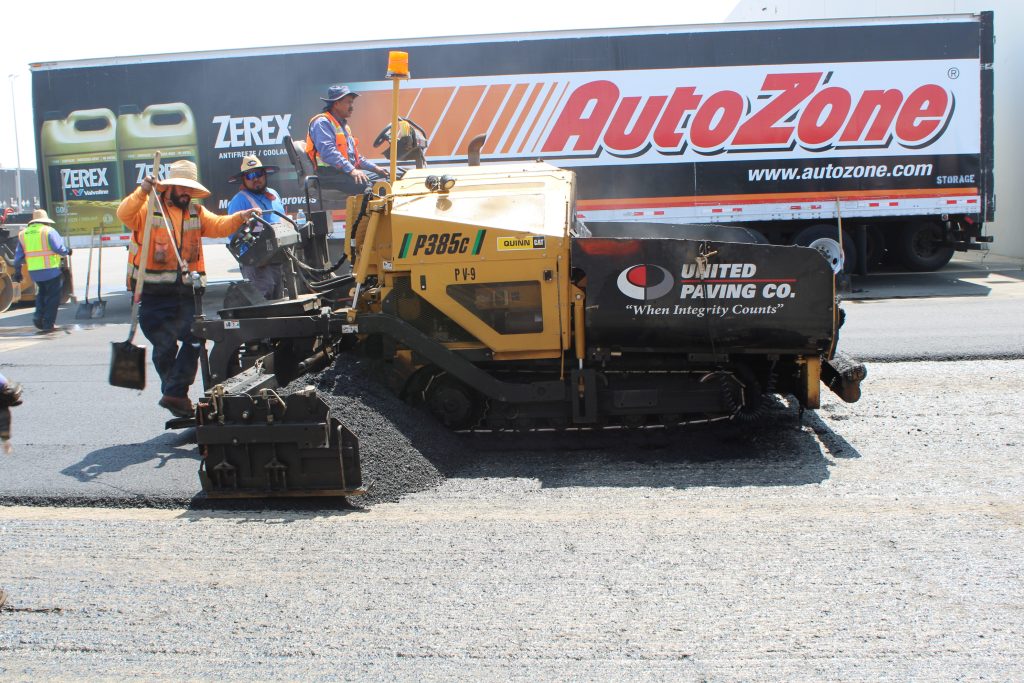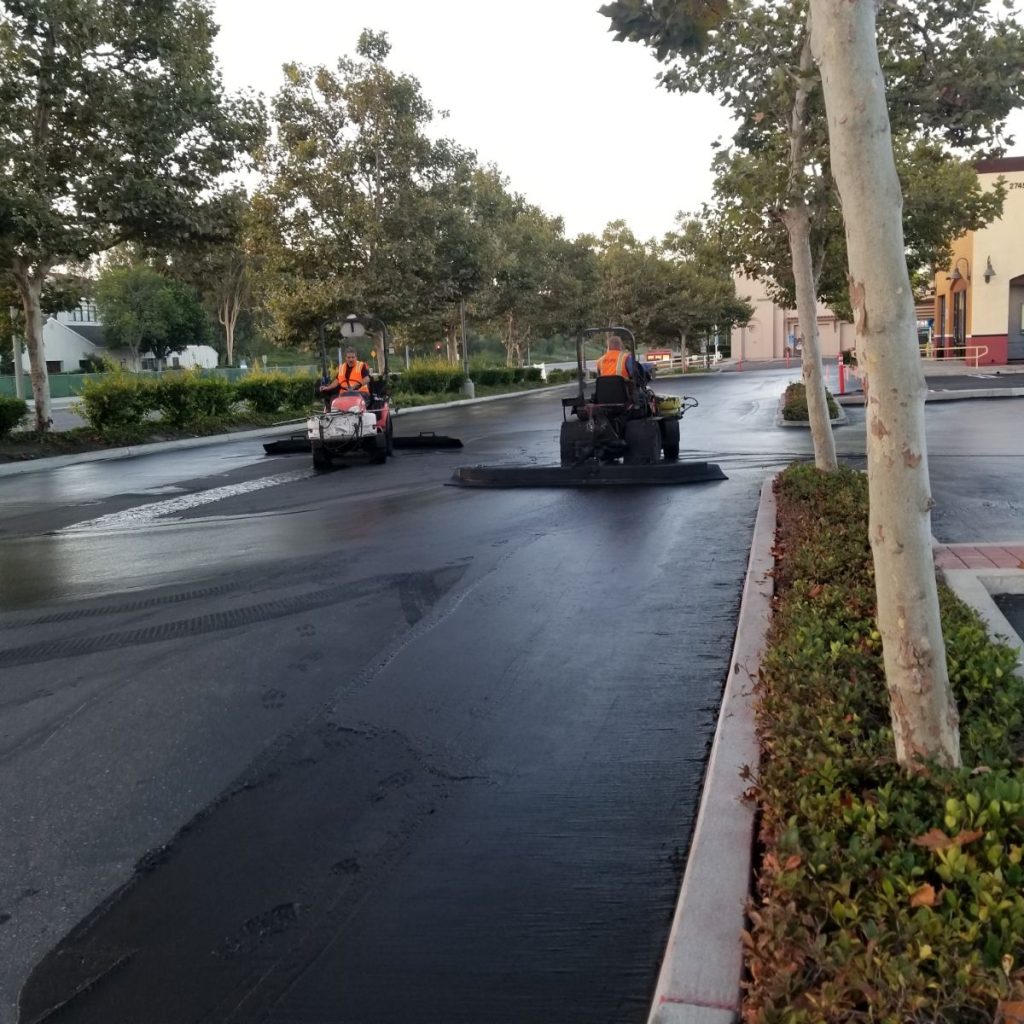
While price is a concern to us all, keep in mind that the lowest bid may cost you more in the long run. Did the paving contractor forget to include important items like demo’d asphalt haul off costs and dirt dump fees, or phasing a project in enough moves to maintain access for residents, tenants and patrons? Don’t let the cheapest bid mean shutting down your entire retail center until the project is complete; the more expensive bid might be covering 2 additional moves so that your patrons can get their medications from the Drug store and the lunch crowd can pick up their 12 o’clock drive thru spread. You definitely don’t want angry tenants and back charges for loss of business. These can account for significant costs. Ensure the bidder has accounted for these things in the proposal.
Did the paving company bid the appropriate repair for that failure type? One that will last? Are you comparing apples to oranges bids? Is the paver insured for your property type? There are many questions to consider, but rest assured that with a proper Request for Proposal process, you can ensure the scope of work will meet all your needs and the competition will provide apples to apples bids.
Comparing apples to apples bids is key to helping you compare costs and choose the most qualified contractor. A paving company that has the right type of insurance that keeps you covered and top performing equipment to get your project completed correctly and efficiently affects price and value.
Sometimes, to get the job done right you will need to invest more up front. There is little sense in spending money on a cheap fix when having to repeat the same repairs will end up costing you a lot more. For example, when you have severe alligator cracking throughout your parking lot, and it receives a 1″ overlay without any preparatory treatment to the existing pavement, you should expect to see the cracks reflect through the new surface within months. Preparatory treatment may include removal and replacement of base material and asphalt in failed areas such as potholes and grinding down the remaining surface which can reduce the width of the surface cracks to prepare it for the overlay. Adding hot oil and a mat/paving fabric on top of this prepared surface before doing an asphalt overlay of a compacted 1.5″ of hot asphalt is another appropriate step in constructing the right repair and maximizing the lifespan of your new surface.
Keep in mind that about 95% of all pavement failure is due to issues with the subgrade; what’s underneath the pavement. Your surface repairs can only be effective if the foundation it is constructed on is stable. Your contractor needs to consider the root cause for failure and address it to repair the pavement properly. Building on top of stable, compacted subgrade is crucial, as is providing routine maintenance to your asphalt to protect the subgrade from water saturation and becoming compromised. With asphalt failure, it may take more than just removing and replacing the asphalt; it may take the additional removal and replacement of the weakened subgrade that is no longer suitable for the structure.