
Seal Coating in Miramar, CA
Seal Coating in Miramar, CA — Chemical Armor for the Corridor's Oil-Soaked Duty
Here’s an uncomfortable chemistry fact for a corridor built on automotive work: asphalt is a petroleum product, and petroleum dissolves petroleum. Every oil drip in a service queue, every hydraulic weep from a lift gate, every fuel dribble at a fleet pump isn’t just staining the pavement — it’s chemically softening it, returning the binder toward the liquid it came from. Miramar’s pavement takes more of that exposure per square foot than anywhere else in this region, which changes what seal coating is for here. United Paving Co provides seal coating in Miramar, CA as chemical armor first and sunscreen second: oil-resistant specifications, preparation that takes the corridor’s contamination seriously, and application in the overnight windows a working corridor can actually spare.
Like Dissolves Like: The Chemistry Every Pavement Owner on This Corridor Should Know
The principle is high-school chemistry with six-figure consequences: similar substances dissolve each other, and asphalt binder is a heavy cousin of the motor oil, diesel, and hydraulic fluid the corridor handles all day. The attack runs on a timeline worth knowing. A fresh drip sits harmlessly on the surface for hours — this is the free window, when absorbent and a broom end the story. Left longer, traffic and sun work it downward; within weeks the stain darkens and the binder beneath begins to soften; within months a persistent drip zone dents under a thumbnail and scuffs under a turning tire; and by the time the spot is ragged and unraveling, the binder has effectively left — that’s replacement, not treatment.
Not all fluids attack equally, either: gasoline and solvents cut fastest, diesel follows, motor oils work slowest but accumulate relentlessly in queue and parking zones — which is why the drip map matters as much as the drip volume. Sealer’s role is barrier chemistry: a cured coat interposes a resistant film between fluid and binder, buying time for housekeeping to catch the spill, and the formulation ladder — standard, oil-resistant, fuel-resistant — is really a ladder of chemical stubbornness, priced accordingly and worth climbing exactly as high as each zone’s exposure demands. The preservation principle underneath is the same one federal research has quantified for decades — the FHWA’s pavement preservation studies document how surface treatments extend the life of structurally sound pavement — with Miramar’s twist being which enemy the surface treatment is standing against: here, chemistry outranks sunshine. The on-the-ground version is simpler: know your drip map, spec to it, and re-coat the high-exposure zones on the short cycle their chemistry sets — because sealer in those zones is sacrificial armor, doing its job by being consumed.
Our Seal Coating Services in Miramar, CA
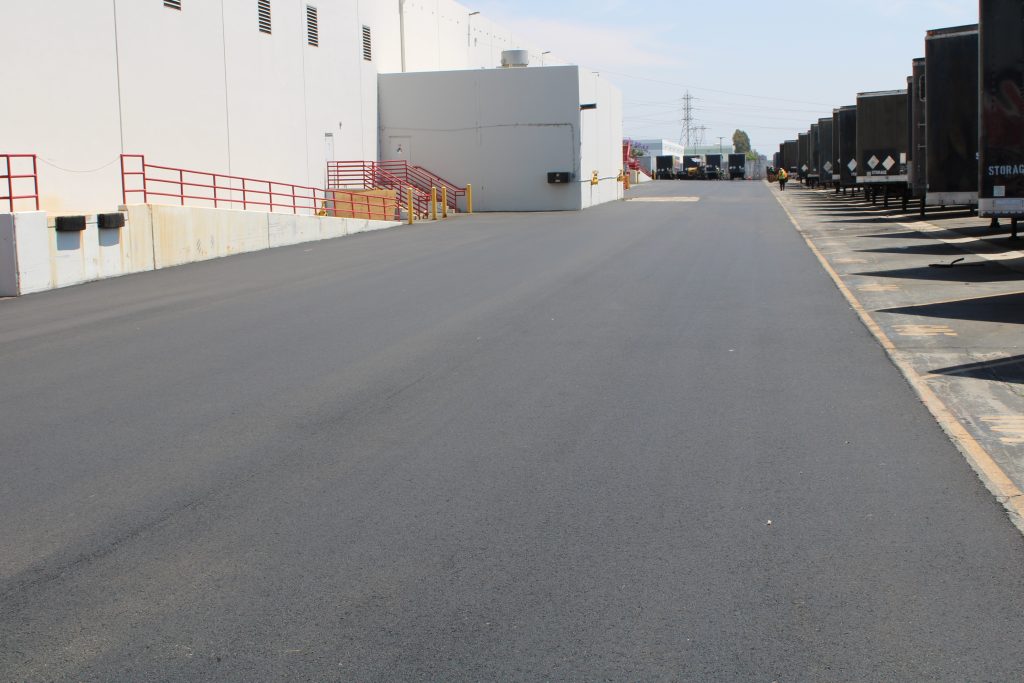
Oil-Resistant & Fuel-Resistant Sealing
The corridor headline: sealer systems specified for petroleum exposure — standard commercial coating where duty is ordinary, upgraded formulations in service queues and drip zones, and true fuel-resistant products at the extreme spots (pump islands, fluid-service lanes) where conventional sealer surrenders. Matched zone by zone, because a fleet yard’s chemistry map is as real as its traffic map.
Contamination-Grade Preparation
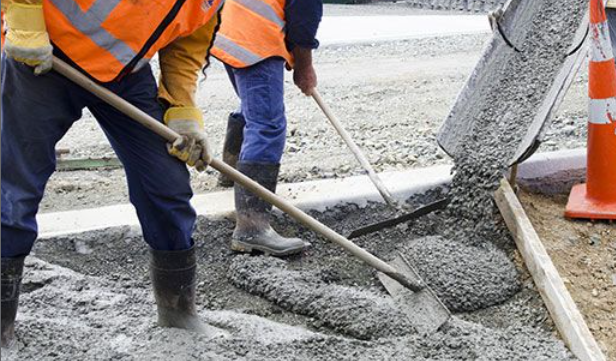
Where the sealing job is won or lost in Miramar: degreasing and scrubbing of oil-saturated areas, spot-priming every stain so sealer bonds to pavement rather than to residue, and the honest call on saturated zones — asphalt soft enough to dent a fingernail is past priming and needs replacement before any coating means anything (see [Asphalt Repair in Miramar]. Skipped prep is why the corridor’s cut-rate seal jobs peel in sheets by spring.
Overnight Application & Corridor Programs
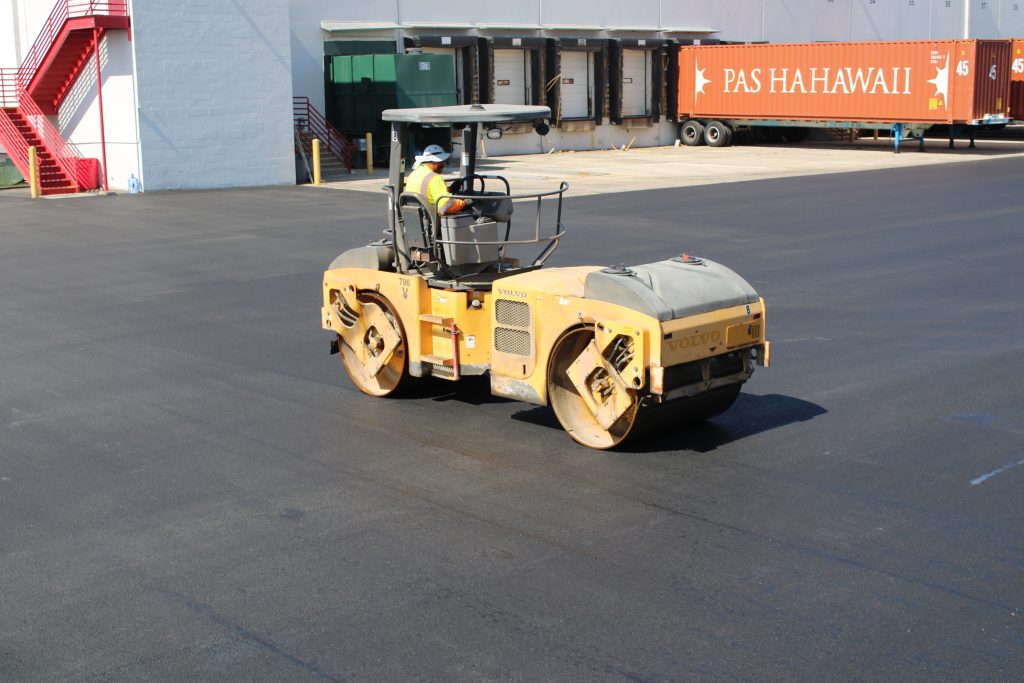
Sealing scheduled the way this corridor operates: sections coated after close and trafficable by opening, phasing that never idles a service bay or fleet gate through business hours, and standing rotation programs — high-exposure zones on short cycles, ordinary surfaces on standard ones — budgeted in the uptime language Miramar businesses plan in.
Get Your Free Seal Coating Proposal
Our estimators will assess your pavement, tell you honestly whether it needs repair before coating, and scope a program that fits your budget cycle. Call (951) 739-9200 or submit the form below.
The Prep Gospel: Why Miramar Sealing Is 60% Cleaning
Why Miramar Property Owners Choose United Paving Co
Licensed California Contractor
verify our license anytime through the CSLB license check.
Over 25 years in the asphalt and concrete industry
Serving properties from Los Angeles through San Diego County
Active members of the property-management community.
BOMA, IREM, CAI, ICSC, AGC, and more.
Materials and Methods
Free on-site written estimates
Throughout Miramar — 92126 (the Miramar Road industrial corridor and adjacent Mira Mesa), 92121 (the western industrial blocks toward Sorrento Valley and Sorrento Mesa), and 92145 (MCAS Miramar and its surrounding federal lands).
The Other Half of the Defense: Housekeeping That Makes Sealer Last
Miramar Seal Coating - Faqs
Our service lot has oil stains everywhere. Can it even be seal coated?
Almost certainly — with the prep it deserves: degreasing, individual spot-priming, and honest triage of any zones soft enough that the contamination has gone structural. What it can't be is coated cheaply as-is; a bid that doesn't itemize prep on an auto-service lot is quoting the peeling version.
What's the difference between oil-resistant and fuel-resistant sealer, and which do we need?
Degrees of chemical stubbornness: oil-resistant formulations shrug off the drips and weeps of parked and queued vehicles; fuel-resistant systems withstand the harsher, faster-cutting exposure of gasoline and diesel at pump and fluid-transfer zones. Most corridor properties need the first in their drip zones and the second only at true fuel points — a zone map, not a whole-lot upgrade.
How fast can a section reopen after overnight sealing?
Trafficable by morning is the planning standard: warm-season overnight cures reliably support opening-time traffic, and we sequence high-priority lanes first so your earliest movements land on the longest-cured surface. Cooler winter nights get honest scheduling rather than optimistic promises.
Why did our last seal coat peel off in sheets within a year?
That's the fingerprint of skipped prep — sealer applied over unprimed contamination bonds to the oil film instead of the pavement and releases along every stain. The fix is unglamorous: strip the failures, prep correctly, recoat. The lesson is cheaper the second time.
Does sealing high-exposure zones more often actually pay?
Yes, because in those zones sealer is sacrificial by design — it's consumed defending the binder, and replacing a coat every couple of years costs a fraction of replacing chemically-destroyed asphalt every several. The short cycle is the savings; it just looks like spending until you price the alternative.
Do you re-stripe after sealing, including our service-queue markings?
Always — sealing erases everything, so the full marking system returns as part of scope: stalls, queue lanes, directional flow, and the ADA stalls and routes the property owes its customers (see [Striping & ADA Compliance in Miramar] — internal link), with layout corrections cheapest at exactly this moment.
Areas We Serve NEAR Miramar
We work throughout the Miramar community of San Diego — the Miramar Road corridor from I-805 to I-15, the Camino Santa Fe and Black Mountain Road industrial streets, the Production Avenue and Dowdy Drive warehouse blocks, and the neighboring Mira Mesa, Kearny Mesa, and Sorrento Valley business areas. See our seal coating pages for Otay Mesa, Carlsbad, and Vista.