
Concrete installation and repair in Oceanside, CA
The Concrete Your Residents Walk, Climb, and Trust
At Oceanside’s defining properties — the apartment and condo communities that house this city — the highest-stakes concrete isn’t in the parking lot. It’s the stair your tenant descends with groceries, the walkway network connecting two hundred front doors, the pool deck under summer’s bare feet, and the trash enclosure a refuse truck punishes twice a week. United Paving Co provides concrete installation & repair in Oceanside, CA for that whole system: multifamily flatwork built and repaired at portfolio scale, commercial pads and ADA work specified to load and code in writing, and the stair-and-step discipline most concrete crews have never been asked to take as seriously as it deserves.
Our Concrete Services in Oceanside
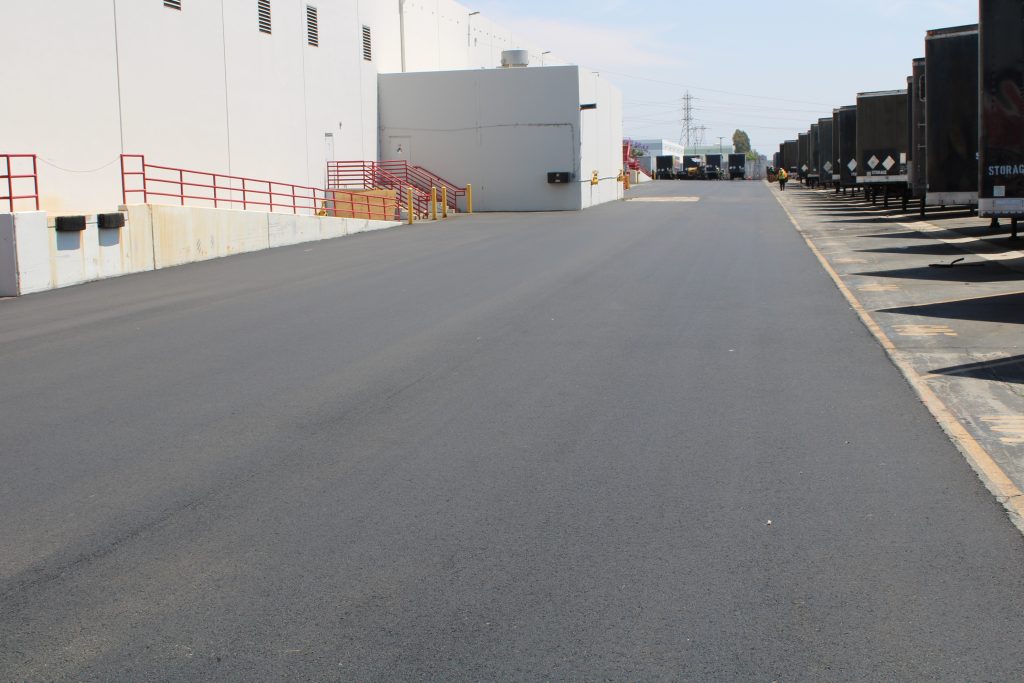
Multifamily Flatwork: Walkways, Stairs & Community Concrete
The Oceanside specialty: the concrete network of apartment and condo living — walkway panels and building approaches, exterior stairs, steps, and landings, pool decks and common-area flatwork, and accessible routes threading it all — installed and repaired with occupied-property choreography as standard: resident access maintained per phase, notices handled, and cure areas protected from two hundred pairs of feet.
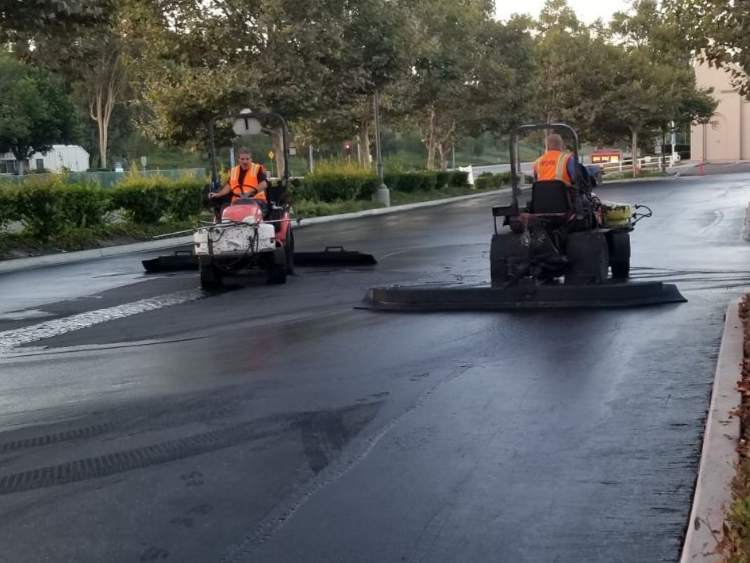
Trash Enclosures, Pads & Site Concrete
Enclosure systems built as the assemblies they are — pad, approach apron, bollards, and gate hardware engineered together — plus dumpster pads, equipment pads, and the commercial site concrete of the corridors and inland parks, each element’s design load stated on the proposal.
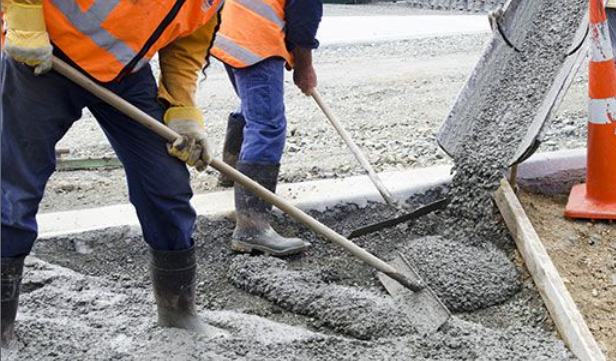
ADA Ramps, Approaches & Right-of-Way Work
Curb ramps and accessible routes to current federal and California standards, driveway approaches and frontage concrete in the public right-of-way permitted through Oceanside’s Engineering Division, and repair work with the cause diagnosed before the concrete is quoted — because panels replaced over unfixed base or drainage are appointments for the sequel.
Get Your Free Concrete Installation and Repair Proposal
From a single dumpster pad to a full site’s flatwork, our estimators will scope the work with the specs in writing. Call (951) 739-9200 or submit the form below.
The Vertical Liability: Why Stairs Are the Most Serious Concrete on the Property
Here’s the flatwork fact that deserves more attention than it gets: falls on stairs injure far more seriously than trips on level ground, and the design detail that prevents most of them is uniformity. The human gait on stairs runs on prediction — after two steps, your body has measured the rise and programmed every step that follows — so a single riser that differs from its neighbors by even a fraction of an inch breaks the program at full commitment: building codes hold riser and tread variation to tight tolerances within a flight for exactly this reason, and a stair that “feels wrong” underfoot is usually a stair reporting a uniformity violation. The rest of the stair-safety system compounds from there. Nosing wear — the rounded-over, crumbling front edge of aging treads — shortens the effective tread precisely where feet land, and worn nosings on an apartment stair are the property’s most-used hazard. Landings are drainage projects: an exterior landing that ponds breeds algae, and algae on sloped concrete is the community’s slickest surface; landings pitch to drain, gently and deliberately. Handrails complete the system — graspable, continuous, at code height, anchored in sound concrete (a rail post wobbling in a spalled socket is two failures cooperating). And the repair discipline follows the physics: stair repairs must restore uniformity, not just patch damage — a resurfaced tread that ends up taller than its neighbors has fixed the concrete and rebuilt the hazard. At rental properties, all of this carries the habitability weight of tenants using these stairs daily by necessity — which is why our multifamily assessments walk every flight with a level and a tape, and why stair findings rank first in every report we write.
The Enclosure as a System: Why Trash Areas Fail and How to Build Them So They Don't
The humble trash enclosure is the most abused assembly on a multifamily property, and it fails as a system, one component dragging down the next. The sequence is recognizable everywhere: the approach apron — where the refuse truck stops, drops its front forks or wheels, and lifts tons of loaded container — takes street-grade loading on what was often poured as patio-grade concrete, so it cracks and settles first; the settling tilts the enclosure pad, and containers begin rolling to the low corner and slamming the walls; pad movement racks the gate posts, so gates sag, drag, and get forced, tearing hinges from masonry; and the missing or mislocated bollards let the container (or the truck) find the walls directly, finishing what the settlement started. Building it right reverses each link: the apron specified to the truck’s actual axle-and-lift loading (this is the heaviest point load most communities own), the pad thickened and reinforced with containment curbs where rolling containers need a stop, bollards positioned to protect posts, walls, and hardware before contact rather than after, gate posts founded on or in concrete that isn’t going anywhere, and drainage graded so the enclosure — a surface that gets washed and rained on and can never pond, for reasons every nose understands — sheds properly. The budget honesty: enclosure rebuilds are small pours with outsized returns, because a failed enclosure generates weekly damage (walls, gates, containers, truck disputes) that a correctly built assembly simply stops. If a community’s enclosures are on their third gate repair, the gates were never the problem.
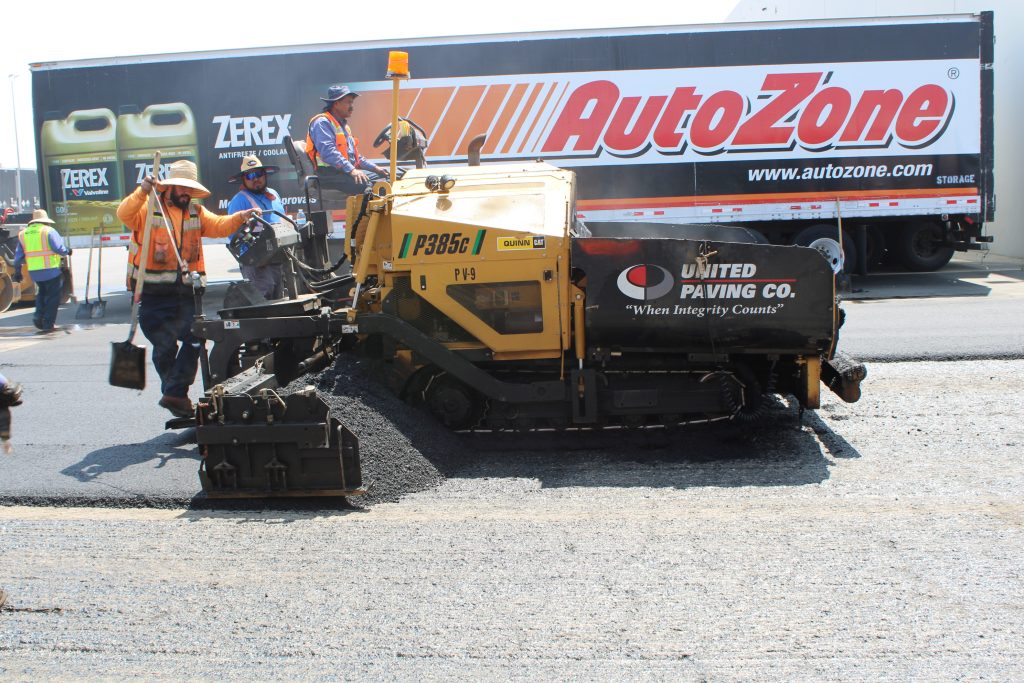
Why Oceanside Property Owners Choose United Paving Co.
Licensed California Contractor
verify our license anytime through the CSLB license check.
Over 25 years in the asphalt and concrete industry
Serving properties from Los Angeles through San Diego County
Active members of the property-management community.
BOMA, IREM, CAI, ICSC, AGC, and more.
Materials and Methods
Free on-site written estimates
We work throughout Oceanside — 92054 (the coast: downtown, the harbor and pier districts, Fire Mountain, and South Oceanside), 92056 (central and east: the El Camino Real corridor, Rancho Del Oro, and the mesa neighborhoods), 92057 (the north and the San Luis Rey valley: College Boulevard corridor, Jeffries Ranch, and the route east), and 92058 (San Luis Rey and the Highway 76 corridor).
Flatwork at Portfolio Scale: Managing a Walkway Network Like the Asset It Is
An apartment community owns concrete the way a small city does — hundreds of walkway panels, dozens of steps and landings, approaches to every building — and managing it panel-by-complaint is the expensive method. The portfolio method runs on an inventory: one assessment pass mapping every panel and flight on the same scale — trip-relevant offsets measured, cracks classified by cause (root, settlement, shrinkage), stairs checked for uniformity, drainage failures noted where ponding stains and algae have already marked them — producing a ranked ledger the property can actually budget from. The triage math then does what it does everywhere flatwork ages: minor vertical offsets on sound panels grind flush in minutes at a fraction of replacement; broken, rocking, or lifted panels with live causes replace, with the cause fixed in the same mobilization; and the genuinely fine panels get left alone in writing, which is how an assessment proves it was honest. Two Oceanside-specific layers ride on top. Near the coast, exterior flatwork earns the working-coast maintenance habits — sealed joints and surfaces on schedule, corrosion-resistant hardware whenever rails and posts are replaced — the practical routine that keeps salt air a background condition instead of a repair category. And at rentals, the ledger doubles as the liability file: documented condition, documented repairs, documented dates — the paper trail that turns “we maintain this property” from a claim into a record. Curing and finishing practice throughout follows the industry standards the Portland Cement Association publishes for exactly this work — patient cure, honest finishes — because walkway concrete done right is a decades-long purchase, and the communities that treat it that way stop buying it twice.
Oceanside Concrete Installation and Repair - FAQs
One step on our building's stair "feels off" but looks fine. Worth worrying about?
Worth measuring — a stair that feels wrong is usually reporting a riser-uniformity problem the eye can't catch, and uniformity violations are how stairs hurt people at full stride. A level and tape settle it in minutes; if the flight's out of tolerance, the repair restores uniformity, not just appearance.
Our enclosure gates sag and drag no matter how often we fix them. Why?
Because the gates are the symptom: the pad or apron beneath the posts has settled or cracked, racking the frame — and every gate repair inherits the movement. The fix that ends the cycle rebuilds the assembly from the ground: apron to truck loading, pad leveled, posts founded on sound concrete, bollards protecting the result.
A tenant reported a lifted walkway panel. How fast should we act?
On the hazard clock: mark or ramp it immediately, schedule the grind or replacement promptly, and document all three dates — at a rental, a reported trip hazard's timeline is the liability story, and the cheap version of this event is the one where your paper shows you moved. Then walk the rest of the network; panels lift in cohorts.
Our pool deck is worn and slippery. Resurface or replace?
Sound deck, tired surface: resurfacing with a proper slip-resistant finish restores safety and appearance at a fraction of replacement. Cracked, settled, or drainage-failed decks earn the rebuild — pitched to drain, finished for wet bare feet. The assessment reads which deck you own; the finish spec goes in writing either way.
Are ADA ramps actually required at an older apartment community?
Accessibility obligations at housing run through overlapping rules — fair housing requirements, accessible-route standards where public accommodations exist, and upgrade triggers when properties renovate — so the honest answer is property-specific. What we provide either way: routes, ramps, and slopes built to current standards, and a candid read on where your community's gaps are before someone else documents them.
The refuse truck cracked our brand-new apron in a year. Bad concrete?
More likely under-specified concrete: enclosure approaches take concentrated axle and lift loading that patio-grade pours were never designed for. The rebuild that lasts specs the apron to the truck — thickness, reinforcement, and joints for the actual duty — which costs modestly more once and stops the annual repour.
Areas We Serve NEAR Oceanside
We work throughout Oceanside — 92054 (the coast: downtown, the harbor and pier districts, Fire Mountain, and South Oceanside), 92056 (central and east: the El Camino Real corridor, Rancho Del Oro, and the mesa neighborhoods), 92057 (the north and the San Luis Rey valley: College Boulevard corridor, Jeffries Ranch, and the route east), and 92058 (San Luis Rey and the Highway 76 corridor). See our concrete pages for Carlsbad, Vista, and San Marcos.