
Asphalt Repair and Maintenance in Poway, ca
Asphalt Repair in Poway, CA — Holding the Edge, Saving the Lane
Poway’s pavement fails in two dialects. In the business park, it’s the commercial kind — potholes in truck courts, cracking in drive lanes, damage measured against uptime. In the country, it’s the rural kind — driveway edges crumbling inward foot by foot, private lanes gone gray and webbed after twenty years of nobody-quite-owning-the-problem, water working every wound wider each winter. United Paving Co provides asphalt repair and maintenance in Poway, CA in both dialects: diagnosis-first repair that fixes causes rather than symptoms, rescue plans for lanes that look further gone than they are, and maintenance programs written in the language of whichever owner — facility manager, HOA board, or five neighbors with one road — actually signs the check.
Our Asphalt Repair and Maintenance in Poway
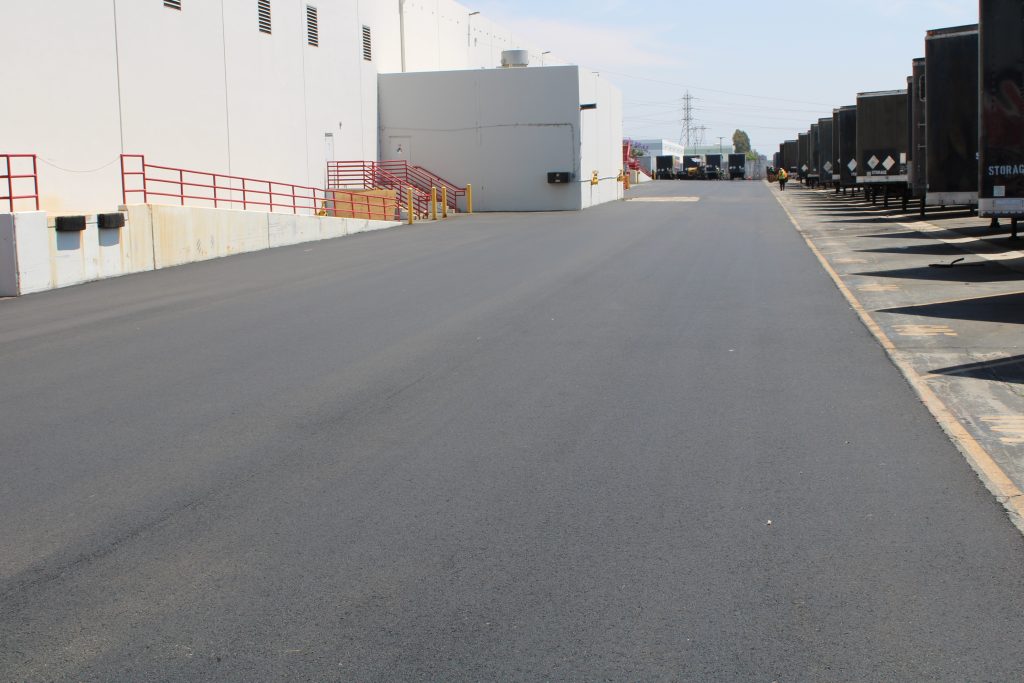
Patching & Failed-Zone Reconstruction
Remove-and-replace repair of potholes, alligatored zones, and base failures — excavated to sound material, base rebuilt, hot-mix compacted to the duty the location actually carries — for business park courts, Poway Road centers, HOA streets, and ranch drives alike, with commercial work phased around operations and rural work scheduled around the property’s rhythm.
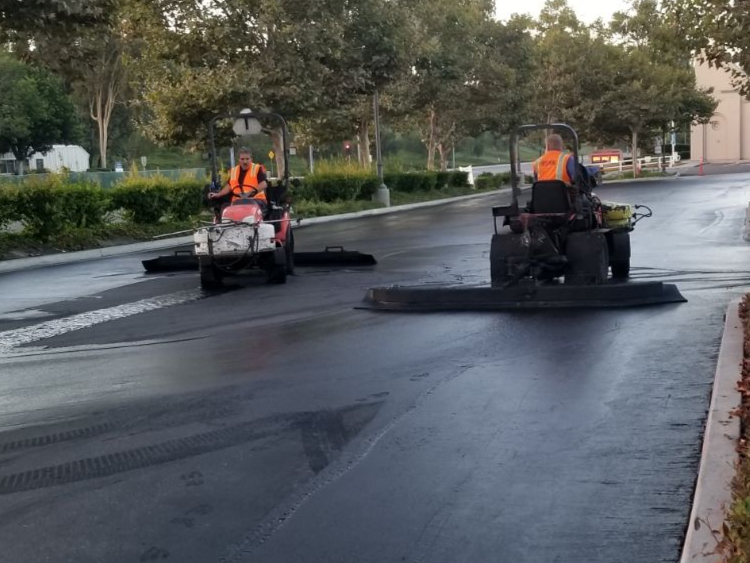
Edge Repair & Rural Lane Reconstruction
The country half’s signature repair: crumbling, unsupported pavement edges rebuilt with the shoulder support that stops the inward creep, narrow lanes restored to full width, and long-run driveways repaired with their drainage corrected in the same mobilization — because on curbless pavement, fixing the asphalt without fixing the edge and the water is a two-year fix at ten-year prices.
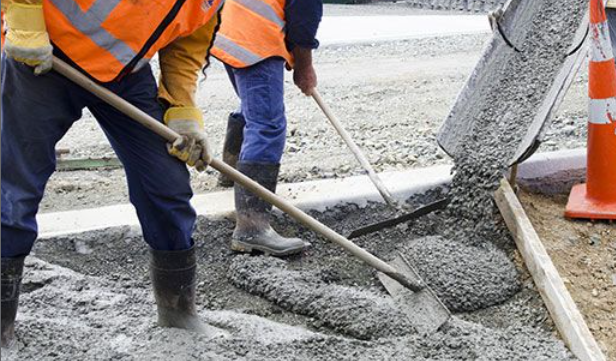
Crack Sealing & Maintenance Programs
Hot-applied crack sealing each fall before the December–March storms — the highest-return maintenance move on every Poway surface, doubly so on long rural runs where water has the most pavement to attack — plus standing programs with condition mapping and multi-year budgets, formatted for how each owner type plans.
Get Your Free Asphalt Repair and Maintenance Proposal
Send us photos or schedule a site walk — our estimators will priority-rank what actually needs repair now, what can wait, and what maintenance will keep you off the expensive end of the curve. Call (951) 739-9200 or submit the form below!
The Edge Problem: Why Curbless Pavement Eats Itself Inward
Urban asphalt lives between curbs — confined, supported, its edges braced by concrete. Rural Poway asphalt lives naked: driveway and lane edges end in air and dirt, and that free edge is the weakest structural condition pavement can have. The mechanics are worth understanding because they explain the country’s most common failure. Load an unsupported edge — a trailer tire tracking wide, a delivery truck easing over for the mail carrier — and the asphalt at the boundary flexes downward with nothing beside it to share the stress; hairline cracks open parallel to the edge; water enters and softens the base precisely where support was already thinnest; the cracked lip breaks off; and the pavement’s edge has now moved inward an inch — where the process restarts on the fresh edge. Left alone, the creep is relentless: lanes that were paved at 12 feet measure 10 after a couple of decades, with a ragged fringe of broken asphalt marking the retreat. The durable repair reverses each link: rebuild the broken edge to full width on recompacted base, then support it — compacted shoulder backing brought flush against the new edge, so the boundary bears like mid-pavement instead of like a cliff — and correct the tracking-wide geometry where a too-narrow lane made edge-riding routine (sometimes the honest fix for a chronically chewed lane is the two extra feet of width that end the reason it was chewed). Edge repair priced without shoulder work is the recurring version; the bid should show both lines.
The Lane Nobody Owned: Rescuing Shared Roads From Deferred Decades
Poway’s private lanes fail on a governance timeline as much as a pavement one. City streets have a public works department; a shared lane has five busy households and an unspoken assumption that someone else is watching it — so the crack sealing that costs hundreds never happens, the winters bank their damage uninterrupted, and twenty years later the lane is gray, webbed, edge-eaten, and the neighbors are bracing for a reconstruction quote. Here’s the rescue math that usually surprises them: neglect looks worse than it often is, because surface distress runs ahead of base failure — and the diagnosis that matters is underneath. A lane whose base still bears can frequently be rescued for a fraction of reconstruction: failed zones dug out and patched, edges rebuilt and shouldered, the whole surface crack-sealed, and — where the surface is spent but the structure isn’t — an overlay that delivers a functionally new lane over the old bones. Only base that’s genuinely gone forces the full rebuild, and even then, usually in segments rather than end-to-end. Our shared-lane assessments are built for the neighbors’ meeting: condition mapped segment by segment, the rescue path priced against the rebuild path honestly, and everything itemized so a five-way split has real numbers to work with. The larger lesson costs nothing to adopt: shared lanes need a designated minder and a small annual line — one fall crack-seal appointment is the entire difference between the lane that lasts and the lane that becomes a group project no one wanted.
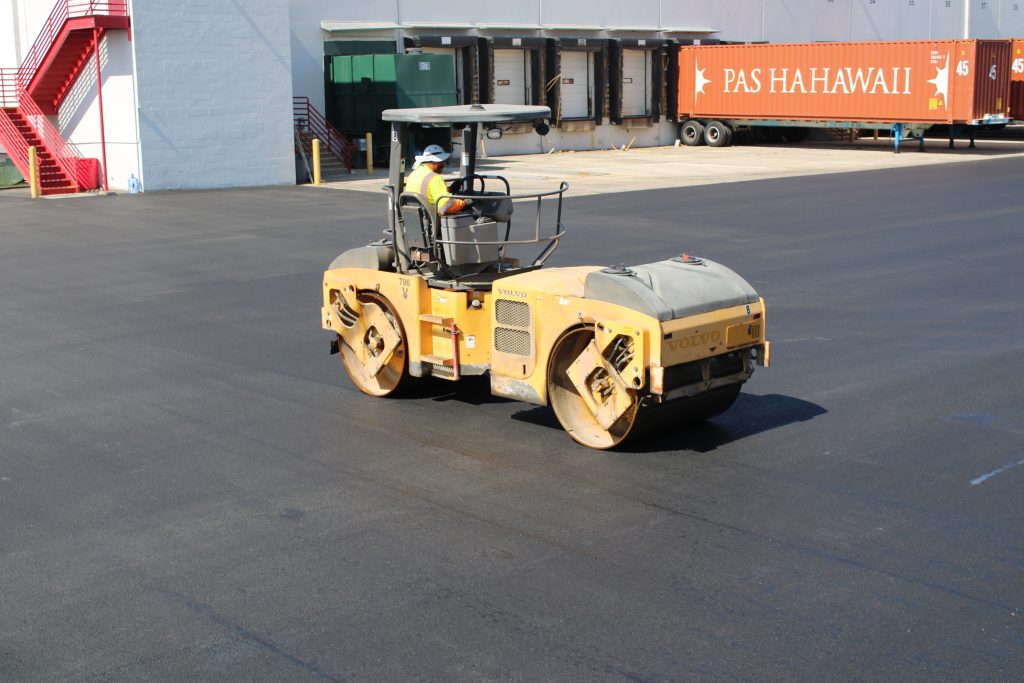
Your Pavement Maintenance Timeline
| When | What | Why |
|---|---|---|
| Year 1 | First seal coat (after full cure) | Locks in binder before UV oxidation starts |
| Every 3–5 years | Re-apply seal coat | Ongoing UV and moisture protection in our high-sun climate |
| Annually (fall) | Crack sealing | Closes entry points before winter rains reach the base |
| As needed | Patching, striping refresh | Addresses isolated damage; maintains ADA compliance |
| Year 15–25+ | Overlay or reconstruction | Even well-maintained pavement eventually reaches structural end-of-life |
One Service, Three Languages: Programs Built for How Poway Owners Actually Plan
Maintenance only happens when it fits the owner’s planning machinery, and Poway runs three machines. Business park facility managers plan in capital cycles and audit trails — so their programs arrive as multi-year budget documents: condition baselines, per-zone schedules, uptime-phased execution windows, and the paper an asset manager can defend upstairs. HOA boards plan in reserve studies and homeowner scrutiny — so their programs speak that dialect: component-level condition data formatted for reserve analysts, ranked priorities a board can vote on, and phasing that keeps residents’ driveways reachable and tempers cool. Private-lane neighbors plan in agreement or not at all — so their programs are built to make agreement easy: one clear scope, transparent itemization for the split, a modest annual maintenance line as the alternative to the someday-crisis, and a schedule everyone can circulate. Same crews, same materials, same fall crack-sealing calendar underneath all three — the pavement doesn’t care who owns it, but the paperwork deciding whether it gets maintained absolutely does, and we’ve learned to write all three versions.
Why Poway Property Owners Choose United Paving Co
Licensed California Contractor
verify our license anytime through the CSLB license check.
Over 25 years in the asphalt and concrete industry
Serving properties from Los Angeles through San Diego County
Active members of the property-management community.
BOMA, IREM, CAI, ICSC, AGC, and more.
Materials and Methods
Free on-site written estimates
We work throughout Poway — 92064 — including the South Poway Business Park and Scripps Poway Parkway corridor, the Poway Road commercial corridor, Old Poway, Green Valley, Garden Road, Rancho Arbolitos, StoneRidge, Bridlewood, and the rural and equestrian neighborhoods of the north and east.
Poway Asphalt Repair and Maintenance - FAQs
Our driveway's edges keep breaking off no matter how often we patch. Why?
Because the patches keep inheriting the same unsupported condition: an edge with nothing braced beside it fails the same way every time. The fix that lasts pairs the edge rebuild with compacted shoulder support flush against it — and, where the lane is narrow enough that tires ride the edge daily, an honest conversation about width.
Our shared lane looks terrible. Is it a rebuild, or can it be saved?
The surface can't answer that — the base can. Webbed, gray, edge-eaten lanes with sound structure underneath are rescue candidates (patch, edge, seal, or overlay) at a fraction of rebuild cost; only failed base forces reconstruction, and usually only in segments. The assessment tells you which lane you own before anyone quotes anything.
What's the single best maintenance move for a long rural driveway?
Fall crack sealing, without close competition: a quarter-mile run gives winter more pavement to attack than any parking lot, and every crack closed in October is a season of base erosion that never happens. It's the cheapest line on the maintenance menu and the one that most changes the ten-year cost.
Can business park repairs happen without disrupting our operations?
That's the commercial standard here: night and weekend windows, half-court phasing that keeps docks reachable, cure schedules matched to your traffic, and reopening commitments in writing. The court should be back under trucks before the disruption is worth an email.
A pothole opened in our truck court mid-season. Patch now or wait for the program?
Patch now — potholes under truck traffic grow by the axle pass, and water finds them first. A proper hot-mix repair integrates fine with later program work; the only wrong answer is the cold-patch-and-forget that becomes the same hole with a memory.
How do neighbors typically split a shared-lane repair fairly?
However their agreement says — equal shares and frontage-proportional are both common — and our job is making any formula workable: itemized scope, per-segment pricing where lanes serve owners unevenly, and documentation clean enough that the split is arithmetic instead of argument.
Areas We Serve NEAR Poway
We work throughout Poway — 92064 — including the South Poway Business Park and Scripps Poway Parkway corridor, the Poway Road commercial corridor, Old Poway, Green Valley, Garden Road, Rancho Arbolitos, StoneRidge, Bridlewood, and the rural and equestrian neighborhoods of the north and east. See our asphalt repair pages for Escondido, San Marcos, and Miramar.