
Seal Coating in Riverside, CA
One Surface Again, On the Right Rung of the Ladder
The county seat’s pavement rarely presents as a blank canvas. The typical Riverside lot arrives wearing its history: utility-cut restorations, patch generations, overlay seams, reflective cracks on their seal schedule — sound pavement, honest repairs, and a surface that reads like a quilt. Sealing here does a job the textbooks undersell: it’s the finish that makes a maintained lot look maintained, unifying the record of its repairs under one wearing surface. United Paving Co provides seal coating in Riverside, CA with that job understood — the unification done right, cycles mapped to each lot’s actual sun exposure, and the honest ladder question answered before any gallon is quoted: does this surface want a seal coat, a slurry seal, or the resurfacing conversation?
The Unification Job: Sealing a Lot That Wears Its History
Here’s what sealing actually accomplishes on the county seat’s typical veteran lot — and the physics worth knowing so expectations land where reality does. A well-repaired lot is a patchwork by definition: T-section trench restorations, dig-out patches, overlay boundaries — each a different asphalt age with a different surface. Age is texture and chemistry: old asphalt is oxidized, porous, and gray; fresh patches are dense, oil-rich, and black; and the two drink sealer differently — porous old surface absorbs coating hungrily while a tight new patch takes it thin, which is why a single pass over a quilt can leave the patches “flashing” through as subtle sheen-and-shade differences even under fresh black. The unification craft answers with technique: thirsty aged zones primed or double-passed so absorption evens out, fresh patches given their cure time before coating (a patch sealed too young bleeds and ghosts), edges and seams detailed by hand where spray patterns lap, and sand loading tuned so the finished texture reads consistent across surfaces that started decades apart. Two honest limits keep the promise real: sealer is a film, not a filler — it follows the surface it’s given, so depressions, ruts, and rough patch edges remain exactly as level as they were, in glossier black (leveling is repair work, done first or not at all); and uniformity is a maturing process — a freshly unified lot evens out further through its first weeks of traffic and sun as the coating wears to one finish. The payoff justifies the craft: a unified lot doesn’t just protect its repairs — it retires their visibility, which for the corridors’ storefronts and the institutions’ public frontages is half the reason the line item exists.
Our Seal Coating Services in Riverside, CA
Commercial & Institutional Sealing
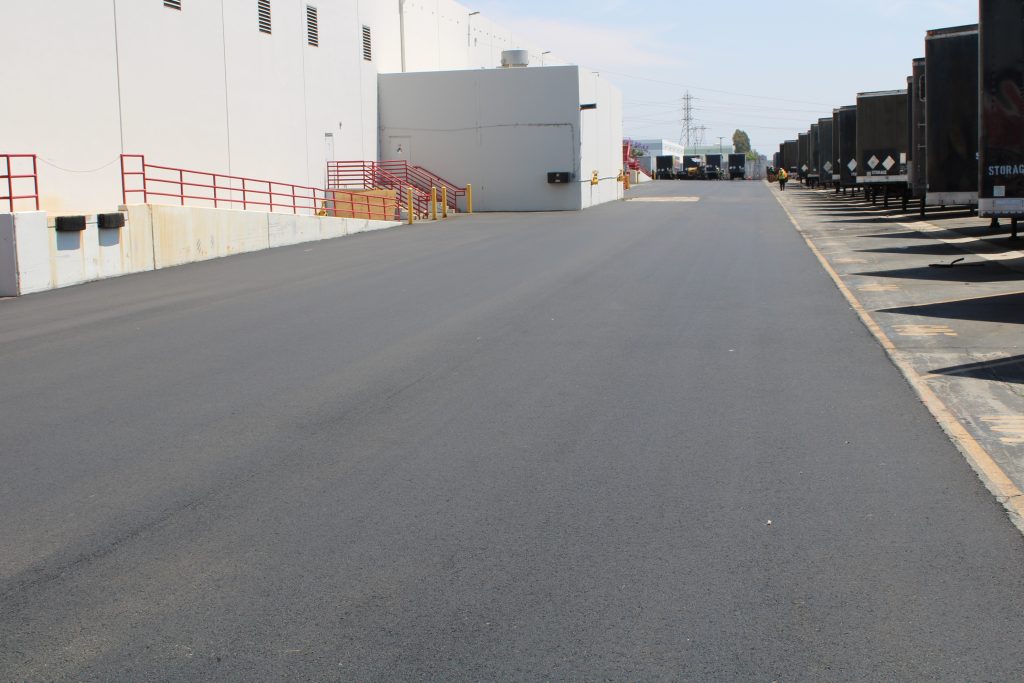
Standard and fortified application for the civic core’s lots, the corridors, campuses, and logistics belts — structural triage first, sand-loaded specs where traffic demands wear resistance, scheduling built around public-facing operations and the academic calendar, and full re-striping restored in every scope.
Slurry Seal & Surface Treatments
The middle rung most owners have never been offered: aggregate-bearing slurry systems for surfaces too worn for seal coat and too sound for resurfacing — applied at the right thickness to renew texture and fill surface wear, specified honestly against the lighter and heavier alternatives on the ladder below.
Crack Sealing & Cycle Programs
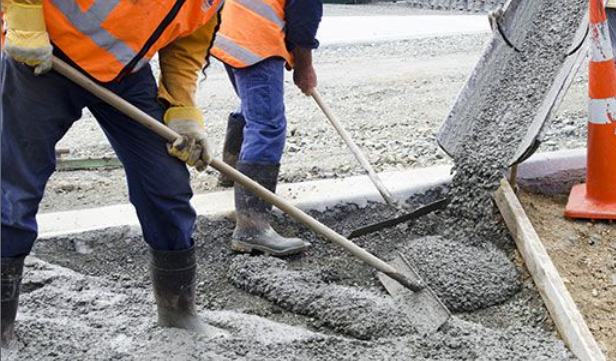
Hot-applied crack sealing on the fall calendar — with the city’s reflective-crack inventory on its recurring schedule (see [Asphalt Repair in Riverside] — internal link) — plus cycle programs with exposure-mapped timing and the documentation institutional owners file.
Get Your Free Seal Coating Proposal
Our estimators will assess your pavement, tell you honestly whether it needs repair before coating, and scope a program that fits your budget cycle. Call (951) 739-9200 or submit the form below.
Many Clocks, One Lot: Exposure Mapping in the Tree-Lined City
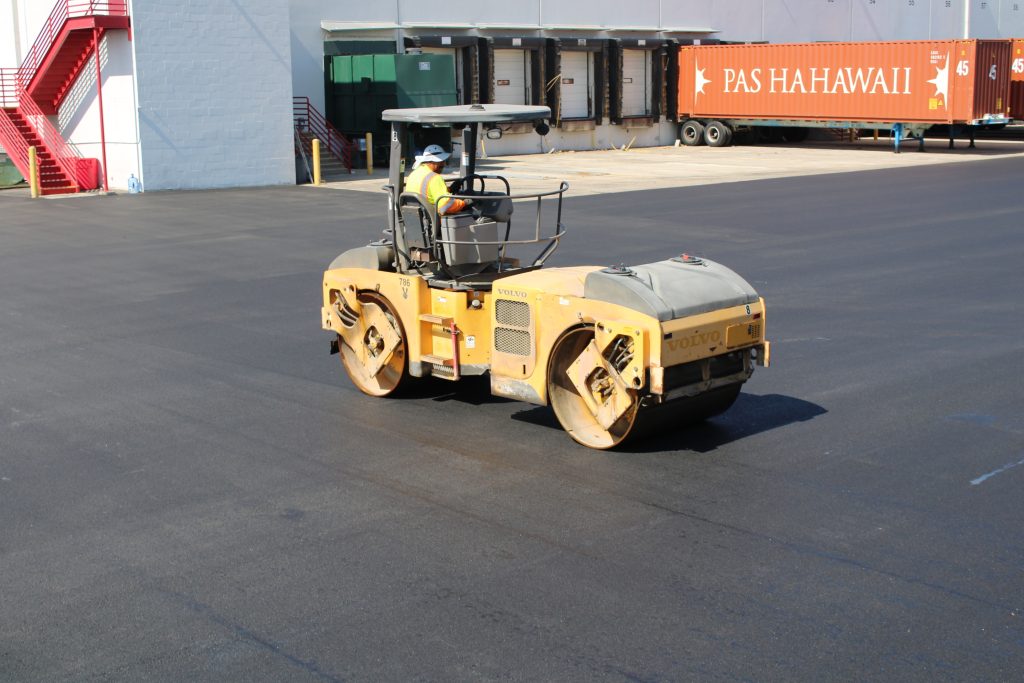
Riverside complicates the inland sealing cycle in a way its own streetscapes created: this is the county’s tree-lined city — mature canopies over the heritage neighborhoods, shaded frontages along the older corridors, landscaped institutional campuses — and shade rewrites pavement aging at the scale of individual parking rows. The sun-exposed acreage of a lot runs the full inland clock: fast oxidation, early gray, the compressed recoat cycle our climate is famous for. The canopied rows beside it age at a fraction of that rate — UV is oxidation’s main accelerant, and the shade withholds it — but collect their own ledger instead: leaf litter and seed drop that hold moisture against the surface, tannin and sap staining, slower dry times after rain and irrigation, and the algae-and-mildew film shade encourages on any surface that stays damp. The management translation is a map, not a calendar: one lot legitimately carries two or three sealing clocks — exposed zones recoated on the short inland cycle, shaded zones stretched honestly longer (coating consumed slower is money spent slower), with their own prep emphasis when their turn comes (cleaning and de-greening before coating, because sealer over an algae film bonds to the film). Application day carries the map too: shaded pavement runs cooler and dries slower, so on marginal days the sun zones take the early passes and the canopy zones take the warm afternoon — sequencing that’s invisible in the result and decisive in the cure. For owners the payoff is budget honesty in both directions: exposure mapping stops the under-protection of the lot’s sun-beaten front and the over-purchase of coating the shaded back on the front’s schedule — the same acreage, priced to how it actually ages.
Why Riverside Property Owners Choose United Paving Co
Licensed California Contractor
verify our license anytime through the CSLB license check.
Over 25 years in the asphalt and concrete industry
Serving properties from Los Angeles through San Diego County
Active members of the property-management community.
BOMA, IREM, CAI, ICSC, AGC, and more.
Materials and Methods
Free on-site written estimates
We work throughout Riverside — 92501 (downtown and the civic core), 92506 and 92507 (Canyon Crest, Victoria, UCR, the Eastside, and Hunter Park), 92503 and 92505 (Arlington, La Sierra, and the western corridors), 92504 (the central city and Magnolia corridor), and 92508 (Orangecrest, Mission Grove, and the March-adjacent south).
The Ladder Between Sealing and Repaving: Where Slurry Seal Lives
Riverside Seal Coating - Faqs
We sealed our lot and the old patches still show through as different shades. Why?
Different-age asphalt drinks sealer differently — porous old surface absorbs heavily while tight new patches take it thin, so one uniform pass over a quilt leaves sheen differences. The unification version primes the thirsty zones, cures the young patches first, and tunes sand loading — and even then, the last of the difference wears to uniform through the first weeks of traffic.
Will sealing smooth out the rough edges and low spots where our repairs were made?
No — and any bid implying it will is selling gloss: sealer is a film that follows the surface exactly, so depressions and rough transitions remain at their current level, in black. Leveling is repair work done before coating; the seal's job is protecting and unifying what the repairs left behind.
The shaded rows of our lot still look freshly sealed while the open rows went gray. Recoat everything?
Recoat what aged: shade withholds the UV that consumes coatings, so canopied zones legitimately run a longer cycle — the map beats the calendar. When the shaded zones' turn comes, their prep differs too: de-greening and cleaning first, because coating over the film shade grows bonds to the film.
What's the difference between seal coat and slurry seal, and which do we need?
Seal coat is a protective film for surfaces whose texture is still sound; slurry seal carries graded aggregate and cures into a new wearing surface for pavement that's raveled or worn past what a film renews. The three-question test — structure sound? texture intact? what's the overlay trend? — picks the rung, and an honest proposal names which one it's quoting and why.
Can slurry seal fix our lot's reflective cracking?
It can blanket the fine web for a while, but working cracks work — the pattern re-emerges through any surface treatment because the movement is structural, not cosmetic. Sparse reflective inventory argues seal-and-manage; dense inventory argues the resurfacing conversation, where milling addresses the layer that's printing the pattern.
Can sealing near the university wait for a break in the academic calendar?
It's built for one: sealing's whole-surface closures fit precisely into the breaks and summer windows the academic calendar publishes, and student-serving retail gets the same courtesy around move-in and finals weeks. The district's calendar is a scheduling input on every proposal we write there.
Areas We Serve NEAR Riverside
We work throughout Riverside — 92501 (downtown and the civic core), 92506 and 92507 (Canyon Crest, Victoria, UCR, the Eastside, and Hunter Park), 92503 and 92505 (Arlington, La Sierra, and the western corridors), 92504 (the central city and Magnolia corridor), and 92508 (Orangecrest, Mission Grove, and the March-adjacent south). See our seal coating pages for Corona, Perris, and Menifee.