
Seal Coating in Corona, CA
Binder Preservation in the Binder-Burning Capital
In our home climate, seal coating isn’t a cosmetic decision — it’s a chemistry intervention. Corona sun works on unprotected asphalt at the molecular level, and the damage it does is the one kind no repair can undo: once the binder’s oils are gone, they’re gone. United Paving Co provides seal coating in Corona, CA with the hometown understanding of what the service is actually for here: slowing the specific chemical clock our sun runs fast, applied at the times in a pavement’s life when it does the most good, and delivered — for the master-planned south’s HOA streets — with the block-by-block choreography that keeps a community functioning while its pavement gets its protection.
What the Sun Actually Does: The Chemistry Worth Five Minutes
Here’s the mechanism behind every faded lot in Corona, told straight. Asphalt binder is a blend of heavy petroleum compounds — including the lighter oils that keep it flexible, the way plasticizers keep anything supple. Oxidation is those compounds reacting with oxygen, and it never stops — but two accelerants set its speed, and our climate maxes both: UV radiation, which breaks the binder’s molecular bonds at the surface and hands oxygen fresh attachment points, and heat, which speeds every chemical reaction (as a rule of thumb, reaction rates climb steeply with temperature — and Corona pavement spends its summers very hot). As the reaction runs, the binder’s lighter fractions oxidize and volatilize away; what remains grows progressively stiffer and more brittle; and the visible timeline follows the chemistry exactly: rich black (oils intact) → dull gray (surface oxidized) → visible aggregate (binder receding from the stone) → raveling and block cracking (a surface too brittle to flex with the daily temperature swing). Two properties of this process make sealing rational rather than cosmetic. It’s top-down — oxidation attacks the exposed surface, which is precisely the layer a sealer replaces as the sacrificial face — and it’s irreversible: nothing re-oils oxidized binder, so the game is entirely preservation. A seal coat is an opaque, UV-blocking, waterproof film that takes the sun’s chemistry so the binder doesn’t — consumed in your pavement’s place, replaced on cycle, cheap precisely because it’s the designated casualty. In mild climates that’s a nice-to-have; in the town where we’ve watched the gray arrive early for 25 years, it’s the difference between owning pavement and renting its decline.
Our Seal Coating Services in corona, CA
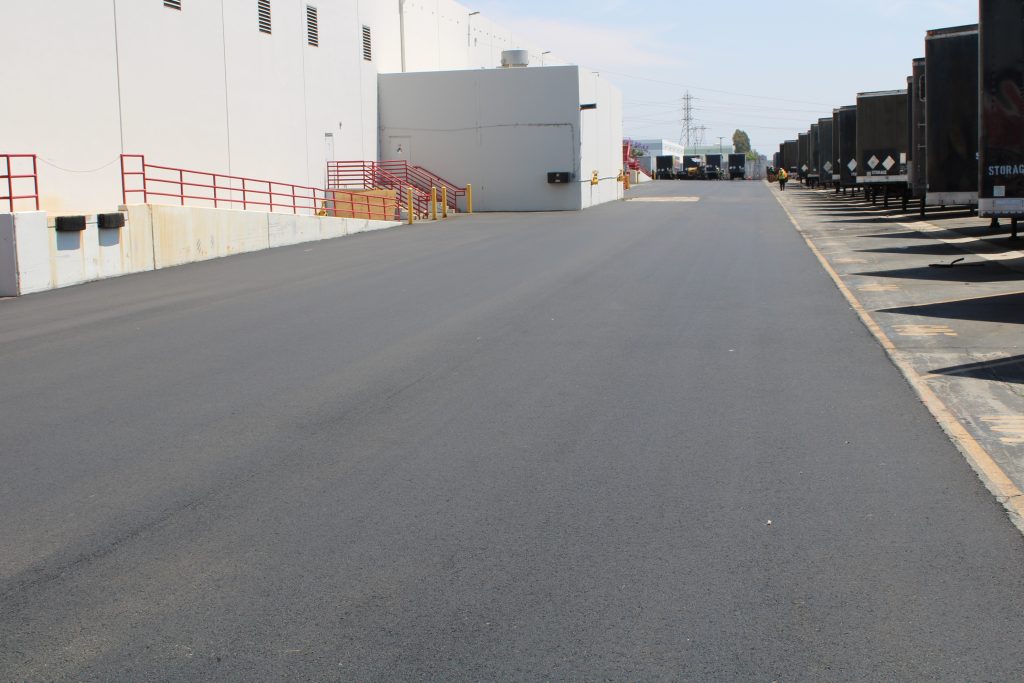
Commercial & Industrial Sealing
Standard and fortified application for the corridors, campuses, and 91-corridor parks — sand-loaded specs where truck traffic demands wear resistance, structural triage first (sealer over failing pavement is cosmetics, and we route that budget to repair — see [Asphalt Repair in Corona] — internal link), phased off-hour scheduling that keeps businesses open, and full re-striping restored in every scope.
HOA & Community Street Programs
The south-Corona specialty: residential street sealing at neighborhood scale — block-phased scheduling, driveway access windows, mail and trash coordination, resident notices on a published cadence — with multi-year community programs formatted for reserve studies and board approval.
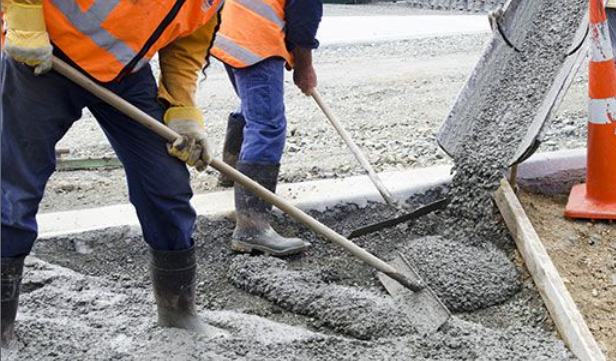
Crack Sealing & Cycle Management
Hot-applied crack sealing each fall before the storm season — the prerequisite and the partner of every seal coat — plus cycle tracking for the owners and communities we serve on standing programs, so no surface drifts past its window on our watch or yours.
Get Your Free Seal Coating Proposal
Our estimators will assess your pavement, tell you honestly whether it needs repair before coating, and scope a program that fits your budget cycle. Call (951) 739-9200 or submit the form below.
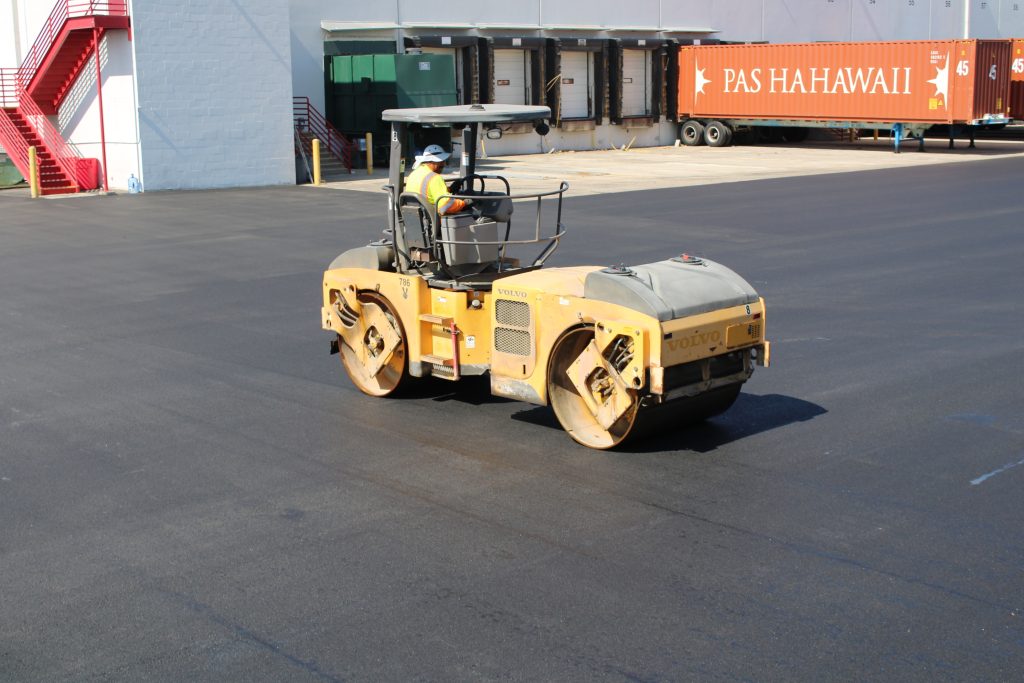
The First-Coat Window and the Inland Cycle: Timing Is Most of the Value
Why Corona Property Owners Choose United Paving Co
Licensed California Contractor
verify our license anytime through the CSLB license check.
Over 25 years in the asphalt and concrete industry
Serving properties from Los Angeles through San Diego County
Active members of the property-management community.
BOMA, IREM, CAI, ICSC, AGC, and more.
Materials and Methods
Free on-site written estimates
We work throughout Corona — 92879 (central: the Circle City core and North Main corridor), 92880 (the industrial north toward the Eastvale line), 92881 (the south: Eagle Glen, Dos Lagos, and the Ontario Avenue corridor), and 92882 (the west: Sierra del Oro, Green River, and the older westside neighborhoods) — plus the Temescal Valley communities of 92883, where county jurisdiction applies and we handle the difference as standard scope.
Sealing a Neighborhood: The HOA Street Program, Run Right
CORONA Seal Coating - Faqs
Our lot was just paved. How soon should the first seal coat go on?
After the surface cures — give new asphalt its first several months to a year — and then within the first couple of years, not after: Corona sun starts consuming the binder's protection window immediately, and the first coat does its best work while the surface underneath is still young. The eager mistake seals too soon; the expensive one waits for the gray.
Is the gray color itself the damage, or just cosmetic?
It's the damage report: gray means the surface binder has oxidized — the flexible oils are leaving and the remaining material is stiffening toward brittle. Early gray is exactly when sealing pays most; deep gray with visible stone and cracking means the conversation is shifting from protection toward resurfacing.
Our HOA's last sealing project was chaos — missed notices, trapped cars. Is that just how it goes?
That's how it goes without choreography: street programs succeed on phase maps sized to the street layout, honest access windows in every notice, mail-and-trash coordination, and day-before reminders. The paperwork is half the project at neighborhood scale, and boards should see it in the proposal before approving anyone.
What about trash day and mail delivery during our street's phase?
Scheduled around, not collided with: phases are calendared against each block's service days, carriers are coordinated so delivery never meets wet coating, and where a pickup can't move, the phase does. The service calendar is one of the first documents we ask a community for.
Why do inland recoat cycles run shorter than what we read online?
Because published ranges average across climates, and ours sits at the punishing end: UV load and summer heat are oxidation's two accelerants, and Corona maxes both — so the sacrificial coat gets consumed faster and the three-to-four-year rhythm is the honest local number for exposed surfaces. Shade, orientation, and traffic tune it per property.
Is there a point where sealing stops being worth it?
Yes, and an honest contractor names it: once a surface is broadly block-cracked, raveling, or brittle through, coating buys appearance on borrowed time — the budget belongs in resurfacing, with sealing resuming its role on the new surface's first-coat window. We'd rather tell you that at the assessment than after the gallon.
Areas We Serve NEAR CORONA
We work throughout Corona — 92879 (central: the Circle City core and North Main corridor), 92880 (the industrial north toward the Eastvale line), 92881 (the south: Eagle Glen, Dos Lagos, and the Ontario Avenue corridor), and 92882 (the west: Sierra del Oro, Green River, and the older westside neighborhoods) — plus the Temescal Valley communities of 92883, where county jurisdiction applies and we handle the difference as standard scope. See our seal coating pages for Riverside, Perris, and Menifee.